

By Autumn Blum
A new accreditation, Reef Protection Factor (RPF), is working to turn the tide on coral decline. Introducing a new industry standard aimed at identifying products such as sunscreens that are genuinely safe for marine life and the ecosystems at large.
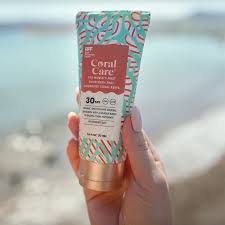

Despite widespread claims of new formulas being ‘reef-safe,’ over 80% still contain harmful chemicals that can damage our world’s coral reefs and other marine life. With no existing industry regulations and an estimated 14,000 tons of sunscreen ending up in the world’s oceans every year, consumers are unknowingly using potentially harmful products, even when they think they are making good choices.
Introducing RPF
You have heard of SPF – now meet RPF: Reef Protection Factor. RPF is a certification mark which aims to help consumers identify products that are proven to be genuinely safe for coral reefs and marine ecosystems. With this new certification, RPF ensures that only products meeting the highest environmental standards – free from ingredients like Oxybenzone and Octinoxate – receive certification, helping to protect vulnerable coral ecosystems.
To earn an RPF accreditation, products must undergo rigorous testing with corals as our model organisms. Coral health is monitored over time in replicated aquarium tanks, assessing key metrics such as colour change and tissue loss. Testing of the first of these accredited products has been undertaken at the Aquatic Research Facility at the University of Derby, a world-leader in marine and coral research, under the supervision of Professor Michael Sweet.
“The world’s coral reefs are under immense threat from climate change and pollution. The Reef Protection Factor empowers consumers and businesses to make informed choices that actively support reef conservation,” said Professor Sweet.

The RPF concept was originally conceived by global advertising agency McCann, after collaborating with leading marine scientists and cosmetic technicians from sunscreen brand Stream2Sea and the University of Derby. Under the leadership of Professor Sweet, this partnership led to Stream2Sea developing Coral Care™ – the world’s first sunscreen that not only protects coral but actively helps nourish it.
The bespoke formula in Coral Care™, built on an eco-cert-compliant base, removed all harmful chemicals and passed rigorous aquatic safety testing and introduced an innovative blend of FDA-compliant marine nutrients – ingredients corals naturally feed on – to promote reef health. Independent scientific testing confirmed that Coral Care™ actively enhances coral growth, increasing it by up to 21% compared to untreated ‘control’ water and by 50% compared to the world’s leading environmentally friendly sunscreens.
As the first product to receive RPF accreditation, Coral Care sets a new benchmark for the industry. With coral reefs supporting approximately 25 percent of all marine life and providing essential ecological and economic benefits, the urgency to protect them has never been greater.
“Partnering with McCann and the University of Derby has allowed us to push the boundaries of what’s possible, resulting in Coral Care – the first sunscreen proven to not only be safe for coral reefs but to actively support their growth. Receiving the RPF accreditation is a powerful validation of our commitment to protecting marine ecosystems, and we hope it inspires the rest of the industry to follow suit,” said Autumn Blum, Founder & Cosmetic Chemist at Stream2Sea.
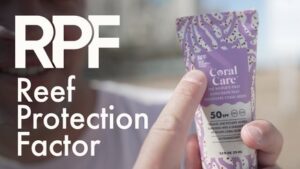

In the future, brands that meet the rigorous RPF standards will be awarded the certification mark, making it easier for consumers to identify genuinely reef-safe products and make more sustainable choices. Beyond certification, RPF is committed to raising awareness and educating the public about the vital role coral reefs play in marine ecosystems and the urgent need to eliminate harmful chemical pollution from our oceans.
For more information about the Reef Protection Factor accreditation and how businesses can apply, visit https://rpf.world.